

Tractor Clutch Systems: Basic Information and Operation
Tractor clutch systems are fundamental components of tractors ch are used in a wide range of applications, from agriculture to construction. These systems are complex mechanisms designed to transfer power from the tractor's engine to its wheels and provide control to operators. Tractor clutch systems play a critical role in controlling the tractor's movement, adjusting its speed, and regulating power transmission.
Key Components of Clutch Systems
The basic components of tractor clutch systems include:
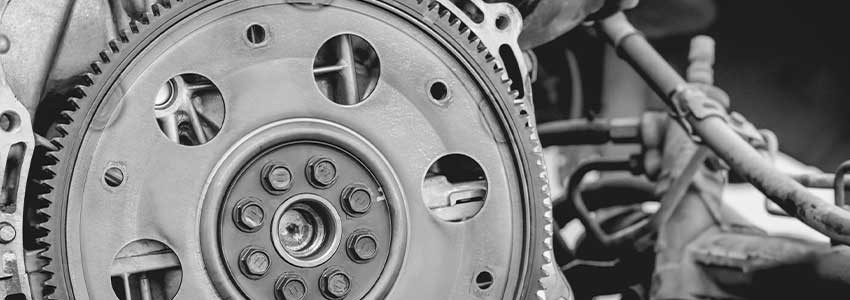
- Clutch Disc: One of the essential components of the clutch system is the clutch disc. This disc provides a fundamental connection, transmitting the power from the engine to the transmission and wheels. Clutch discs are typically composed of metal plates coated with friction materials.
- Pressure Plate: The pressure plate is another essential component that controls power transmission by applying pressure to the clutch disc. When the clutch pedal is pressed, the pressure plate engages, releasing the clutch disc and interrupting the connection that transfers the engine's power to the transmission.
- Clutch Bearing: The clutch bearing is a part that separates the pressure plate and the clutch disc. This bearing moves when the clutch pedal is pressed, disengaging the pressure plate from the clutch disc and preventing friction.
- Clutch Hub: The clutch hub is a mechanism that holds the clutch disc and pressure plate together, connecting these two components to the transmission shaft.
Functioning of Clutch Systems
Tractor clutch systems operate under the control of the driver through the use of the clutch pedal. The basic functioning is as follows:
- Pressure Reduction: When the driver presses the clutch pedal, the pressure plate reduces the pressure applied to the clutch disc. This action prevents the transmission of engine power to the wheels by releasing the clutch disc.
- Separation of Engine and Transmission: The release of the clutch disc separates the engine from the transmission. In this case, the engine power cannot be transmitted to the transmission and this allows the tractor to stop or gearshift.
- Clutch Disengagement: When the clutch pedal is released, the pressure plate re-engages and grips the clutch disc. This re-establishes the transmission of the engine's power to the transmission and makes the tractor ready for movement.
Maintenance and Troubleshooting of Tractor Clutch Systems
Regular maintenance and early detection of potential issues are crucial for the proper functioning of clutch systems.
Maintenance of Tractor Clutch Systems
- Oiling and Oil Levels: Proper oiling of the components comprising the clutch system may reduce friction and wear. Due to this reason, using appropriate oils per the tractor's user manual and regularly checking oil levels is essential.
- Reverse Gear Adjustment Checks: Adjustments in clutch systems may change over time. By performing periodic adjustment checks, you may ensure that the system operates smoothly and prevents potential issues.
- Condition of the Clutch Pedal: The proper functioning of the clutch pedal affects system performance. If the pedal is stuck or loose, you can resolve the issue by making necessary adjustments.
- Clutch Disc Checks: Regularly checking the clutch disc helps in the early detection of wear and damage. If significant wear or cracks are observed on the disc, replacement may be necessary.
Troubleshooting Clutch System Issues
- Dislocation Problems: If your tractor experiences dislocation issues during a gear change, it is important to check the clutch disc. This could indicate wear on the clutch disc or improper functioning of the pressure plate.
- Vibration and Noise: Vibrations or noises in the clutch system often result from wear or improper pressure application on the clutch disc. Consulting a professional is important to assess and address this issue.
- Difficulty in Clutch Pedal: If you encounter difficulty pressing the clutch pedal, there may be an issue with the pedal mechanism or the clutch disc. Seeking professional assistance is crucial to address and fix the problem.
- Incorrect Pressure Plate Adjustment: The adjustment of the pressure plate can impact the clutch system. Incorrect adjustment may lead to insufficient pressure on the clutch disc. Consulting a professional is important to address and fix this issue.