


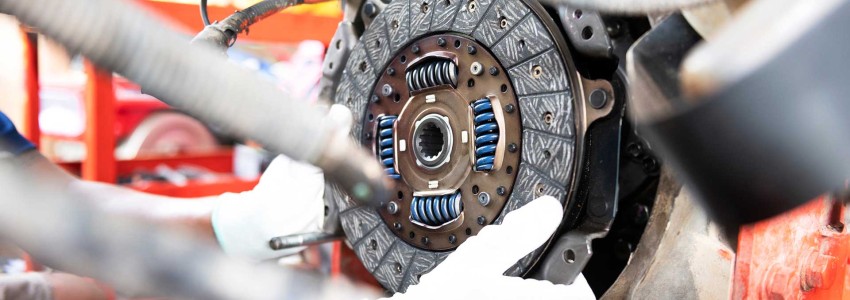
Tractor Clutch Disc Replacement Process
Tractors are essential vehicles used in agriculture and various tasks. However, many components contribute to the proper functioning of these tractors, and one such component is the clutch disc in the clutch system. The tractor clutch disc is a crucial part that controls the gear-shifting process of the tractor. Replacing the clutch disc in cases of wear, damage, or malfunction is important for improving the efficiency and performance of the tractor.
What is a Tractor Clutch Disc?
The tractor clutch disc is a significant part of a tractor's clutch system. The clutch is a mechanism that controls power transmission between the engine and the transmission. The tractor clutch disc, as a component of this system, is a disc-shaped part that transmits the engine's power to the transmission and controls the drive system.
The clutch disc is typically made of metal and friction materials. When the engine is running, the clutch disc ensures a connection between the engine and the transmission. By pressing the clutch pedal, the driver temporarily interrupts this connection, allowing the tractor to stop and facilitating gear changes. Releasing the clutch pedal re-establishes the connection, allowing the tractor to continue moving.
Clutch Disc Replacement
Replacing the tractor clutch disc is a crucial maintenance process to enhance performance and ensure the long-term use of your tractor. However, if you lack experience in this process or are unsure of your expertise, seeking assistance from a professional is always advisable. By following the steps below, you can successfully replace your tractor's clutch disc and continue to use it safely.
Step 1: Preparation
The first step is to safely stop the tractor and turn off the engine before beginning the clutch disc replacement. It's important to move the tractor to a secure area before starting the replacement process. Additionally, engaging the handbrake and blocking the wheels are safety measures that should be taken.
Step 2: Accessing the Clutch System
To replace the clutch disc, access to the tractor's clutch system is necessary. This is usually done through a cover or panel located on the bottom of the tractor. Using appropriate tools to remove these covers is essential.
Step 3: Removing the Clutch Disc
Before removing the clutch disc, check the clutch pressure plate and bearing. If there are issues with these components, they should be replaced simultaneously. Then, use the appropriate wrenches to loosen and remove the nuts and bolts securing the clutch disc.
Step 4: Installing the New Clutch Disc
After removing the old clutch disc, installing a new one involves reversing the previous steps. The new disc must be positioned correctly, and the securing nuts should be tightened securely.
Step 5: System Checks
After replacing the clutch disc, it's crucial to check if the clutch system is functioning correctly. Starting the tractor and using the clutch several times while checking for any abnormalities is essential.
Step 6: Adjustments and Corrections
Properly adjusting the tractor's clutch pedal after installing the new tractor clutch disc is important. The pedal's free play and feel should be correct. Carefully performing these adjustments will optimize your tractor's clutch system.
Step 7: Test Drive
After replacing the clutch disc and making adjustments, take the tractor for a short test drive. Checking for any noise or issues while using different gears and ensuring the clutch operates smoothly is necessary. If everything is functioning correctly, you can return the tractor to normal use.
Step 8: Update the Maintenance Schedule
Important maintenance procedures such as tractor clutch disc replacement should be added to the overall maintenance schedule of the tractor. Performing these types of maintenance at specific mileage or working hour intervals ensures the longevity of your tractor and helps prevent unexpected failures.
Keep in mind that tractor maintenance and repair are critical factors for the long-term use and safety of your tractor. Regularly following specific maintenance routines and addressing any issues detected promptly will help keep your tractor in optimal condition at all times.