

If You Experience Clutch Slipping on Your Tractor, What Should You Do?
Tractors are the backbone of agricultural operations and many other sectors, providing a sturdy and reliable power source for various tasks. However, like all machines, tractors can experience wear and tear over time, leading to various issues. One such issue is clutch slipping.
What is Clutch Slipping?
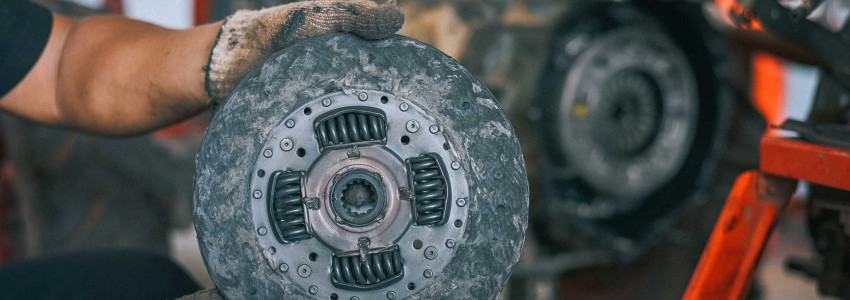
Clutch slipping is a condition where the clutch disc fails to fully engage with the flywheel, resulting in incomplete transfer of engine power to the transmission. This can cause the tractor to lose power, make shifting gears difficult, and even prevent the tractor from moving at all.
What Are the Causes of Clutch Slipping?
Clutch slipping can occur due to various reasons, including:
- Worn Clutch Disc: The clutch disc wears out over time, causing it to become thin and unable to fully engage with the flywheel.
- Oily Clutch Disc: If the clutch disc becomes contaminated with oil or grease, it can slip.
- Damaged Clutch Pressure Plate: The pressure plate is responsible for pressing the clutch disc against the flywheel. If the pressure plate is bent or cracked, the clutch disc may not fully engage and may slip.
- Improper Clutch Adjustment: Clutch adjustment can deteriorate over time or be improperly set, leading to clutch slipping.
What Are the Symptoms of Clutch Slipping?
The symptoms of clutch slipping can vary, but generally include:
- Loss of Tractor Power: Clutch slipping causes the tractor to lose power, making tasks like plowing fields or hauling loads more difficult.
- Difficulty Shifting Gears: When the clutch disc slips, shifting gears can become difficult. The gear lever may feel stiff, or gears may not engage properly.
- Tractor Not Moving: If the clutch disc is severely worn or damaged, the tractor may fail to move at all. The engine may rev when the clutch pedal is pressed, but the tractor won't move.
How to Resolve Clutch Slipping?
Clutch slipping can be resolved in several ways depending on the underlying cause:
- Replace Worn Clutch Disc: This is the most common and permanent solution to resolve clutch slipping.
- Clean Oily Clutch Disc: Cleaning the clutch disc of oil or grease contamination can resolve the issue.
- Replace Damaged Clutch Pressure Plate: If the pressure plate is damaged, it needs to be replaced to ensure proper clutch engagement.
- Adjust Clutch: If clutch adjustment is improper, readjusting it can resolve clutch slipping.
Preventing Clutch Slipping
There are several things you can do to prevent clutch slipping:
- Avoid Overusing Your Clutch: Avoid unnecessary clutch pedal usage and shutting off the vehicle while in gear.
- Use the Correct Clutch Components: Ensure you're using the correct type of clutch components for your tractor.
- Regularly Check and Maintain Your Clutch: Regularly inspect your clutch for signs of wear or damage and perform maintenance as needed.
Clutch slipping is a common issue in tractors. It's important to diagnose the root cause correctly and apply the appropriate solution. By following these tips, you can ensure that your tractor's clutch operates smoothly for years to come.