

Clutch Plate Failures and Solutions
The tractor clutch plate is a critical component of the clutch system and its proper functioning is a key factor in determining the tractor's performance. However, over time and with intensive use, clutch plates can wear out or become faulty. This can lead to difficulties in shifting gears, slipping, or sticking, causing both performance issues and compromising safety.
What is a Tractor Clutch Plate?
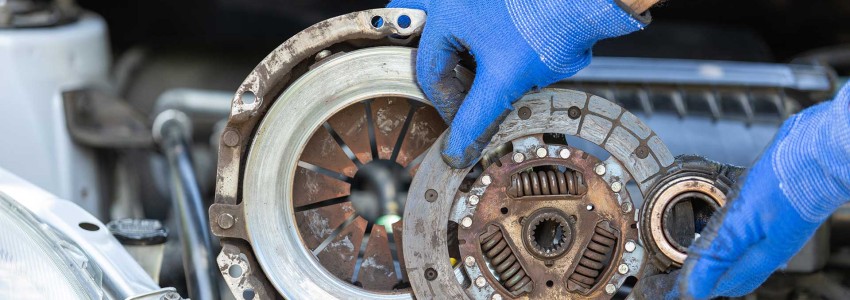
The clutch plate is one of the most important parts of the tractor clutch system. It is the main component of the clutch disc that transfers engine power to the transmission and disengages power when changing gears. The clutch plate is typically a round disc made of different materials such as asbestos, organic, or sintered metal.
What are the Basic Functions of the Clutch Plate?
The basic functions of the clutch plate are as follows:
- Transfers Engine Power to the Transmission: The clutch plate is pressed against the pressure plate, transferring engine power to the transmission.
- Cuts off Power when Changing Gears: When the clutch pedal is depressed, the pressure plate releases the clutch plate, disconnecting engine power from the transmission, and allowing for easy gear changes.
- Reduces Vibration and Shaking: The clutch plate absorbs vibration and shaking between the engine and transmission, providing a smoother driving experience.
The lifespan of a clutch plate varies depending on usage conditions and maintenance. Under normal use, a clutch plate can last between 500 and 1000 working hours. Improper use such as overloading, sudden starts, and hard braking can shorten the lifespan of the clutch plate.
What Signs Indicate a Worn Clutch Plate?
Some signs that indicate a worn or damaged clutch plate include:
- The clutch pedal feels harder or softer.
- Difficulty shifting gears or gears slipping.
- Tractor vibrating during startup or uphill climbs.
- A burnt smell coming from the clutch system.
Wear or damage to the clutch plate is dangerous and requires immediate replacement. A failure in the tractor clutch plate can lead to loss of control and accidents.
What Causes Clutch Plate Failures?
The clutch plate is one of the most critical parts of the tractor clutch system because it is responsible for transferring engine power to the transmission and cutting off power when changing gears. Clutch plates can fail due to various factors such as wear, tear, or misuse, affecting the tractor's performance and safety.
Clutch plate failure can occur due to the following reasons:
- Wear and Tear: Clutch plates wear out over time with normal use. Improper use such as overloading, sudden starts, and hard braking can accelerate clutch plate wear.
- Deterioration: Clutch plates can deteriorate over time due to exposure to heat, moisture, and chemicals.
- Oil Leakage: Oil leakage in the clutch system can cause the clutch plate to become lubricated and slippery, leading to clutch slipping.
- Incorrect Installation: Incorrect installation of the clutch plate can also cause failure.
What are the Solutions for Clutch Plate Failures?
There are various solutions for a tractor clutch plate failure, including:
- Replacing Worn or Damaged Clutch Plates: The most common solution is to replace worn or damaged clutch plates with new ones.
- Cleaning and Lubricating the Clutch System: If there is oil leakage, the clutch system should be cleaned, and the necessary oil added.
- Checking and Adjusting the Clutch System: The tension of the clutch cable and the condition of the clutch release bearing should be checked and adjusted if necessary.
- Correcting Incorrectly Installed Clutch Plates: If the clutch plate is incorrectly installed, it should be correctly fitted.
Tips to Extend the Clutch Plate Lifespan
To extend the lifespan of the tractor clutch plate, consider the following tips:
- Use the clutch correctly.
- Regularly maintain and repair the clutch system.
- Avoid overloading and sudden maneuvers.
- Use the correct type and amount of clutch oil.
- If you notice any signs of a clutch system malfunction, immediately consult an authorized service center.
For more information about the clutch plate, refer to your tractor's user manual or consult an authorized service center.