

Clutch Maintenance and Recommendations
The tractor clutch is a critical component that determines its performance and requires regular maintenance. The clutch system transfers the engine power to the drive components, allowing the user to control speed and movement. However, over time, the clutch wears out and loses efficiency, which can adversely affect the tractor's operation. Therefore, clutch maintenance and regular inspection are extremely important for safety and efficiency.
What is a Tractor Clutch?
The tractor clutch is a system that separates and controls the engine and transmission. This enables essential functions such as stopping, starting, and gear shifting. The clutch transfers engine power to the transmission, allowing the tractor to move.
How Does the Tractor Clutch Work?
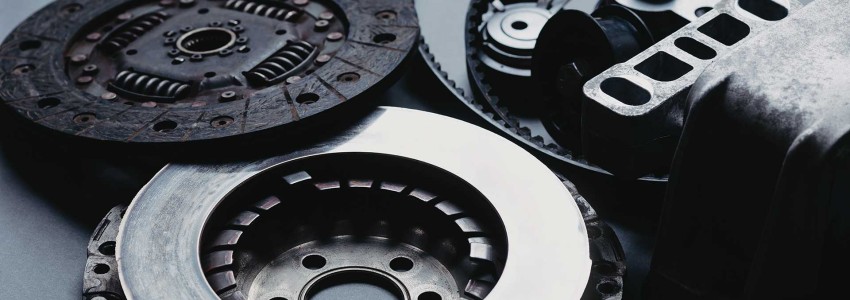
The clutch system consists of several main components that interact with each other. These main components include:
- Clutch Lining: A round part made of friction material used to facilitate the opening and closing of the clutch and transfer engine power to the transmission.
- Pressure Plate: Presses on the clutch lining to transfer engine power to the transmission.
- Release Bearing: Supports the pressure plate and ensures the smooth operation of the clutch.
- Clutch Pedal: When pressed, separate the clutch lining and pressure plate.
The Importance of Clutch Maintenance
When clutch maintenance is neglected, several problems can arise, making maintenance crucial.
- Essential for Safe Driving: Worn clutch linings or weakened grip can cause jerky movements during vehicle starts and stops, posing a risk to both the driver and passengers.
- Important for Comfortable Driving: Worn clutch linings or weakened grip can make gear shifting difficult and jerky, resulting in an uncomfortable driving experience.
- Important for Longevity: Regular maintenance extends the life of clutch linings and other components, allowing you to use your vehicle smoothly for a longer period.
- Reduces Repair Costs: Neglecting clutch maintenance can lead to damage to clutch linings and other components, resulting in high repair costs.
When Should Clutch Maintenance Be Performed?
The maintenance period varies depending on factors such as the tractor's brand, model, frequency of use, and operating conditions. Generally, maintenance should be performed regularly according to the manufacturer's recommendations, typically every 100-200 hours of use or once a year. However, under heavy use or in challenging working conditions, maintenance frequency can be increased.
What Is Done During Clutch Maintenance?
During tractor clutch maintenance, the following procedures are typically performed:
- Checking the wear condition of clutch linings.
- Inspecting the clutch cable or hydraulic system.
- Checking the clutch pedal and other components for proper adjustment.
- Replacing clutch linings and other components if necessary.
How Is Clutch Maintenance Performed?
An authorized service center or a reliable mechanic should carry out clutch maintenance. Generally, clutch maintenance is performed as follows:
Necessary Materials:
- Clutch kit (lining, pressure plate, bearing)
- Clutch fluid
- Socket set
- Jack
- Wheel chocks
- Special tools if required (in some vehicles)
Steps:
- Park the vehicle and engage the handbrake.
- Secure the wheels with chocks.
- Turn off the engine and allow it to cool.
- Depress the clutch pedal to its lowest position.
- Disconnect the clutch cable or hydraulic system.
- Remove the clutch basket and linings.
- Install the new clutch kit.
- Reconnect the clutch cable or hydraulic system.
- Check and adjust the clutch pedal.
- Check the clutch fluid and replace if necessary.
- Start the engine and ensure the clutch operates smoothly.
Recommendations for Clutch Maintenance
Clutch maintenance should be performed at different intervals for each vehicle. Generally, it is recommended to have clutch maintenance performed once a year. Depending on how you use your vehicle, maintenance may be required more frequently.
It is crucial to use original and high-quality spare parts during maintenance. Low-quality spare parts can shorten the life of the clutch and lead to new problems.
Avoid pressing the clutch pedal suddenly and forcefully. Do not attempt to shift gears without fully engaging the clutch pedal.
If you notice any issues with your clutch, consult a professional as soon as possible. Small problems can turn into larger and more expensive issues over time.